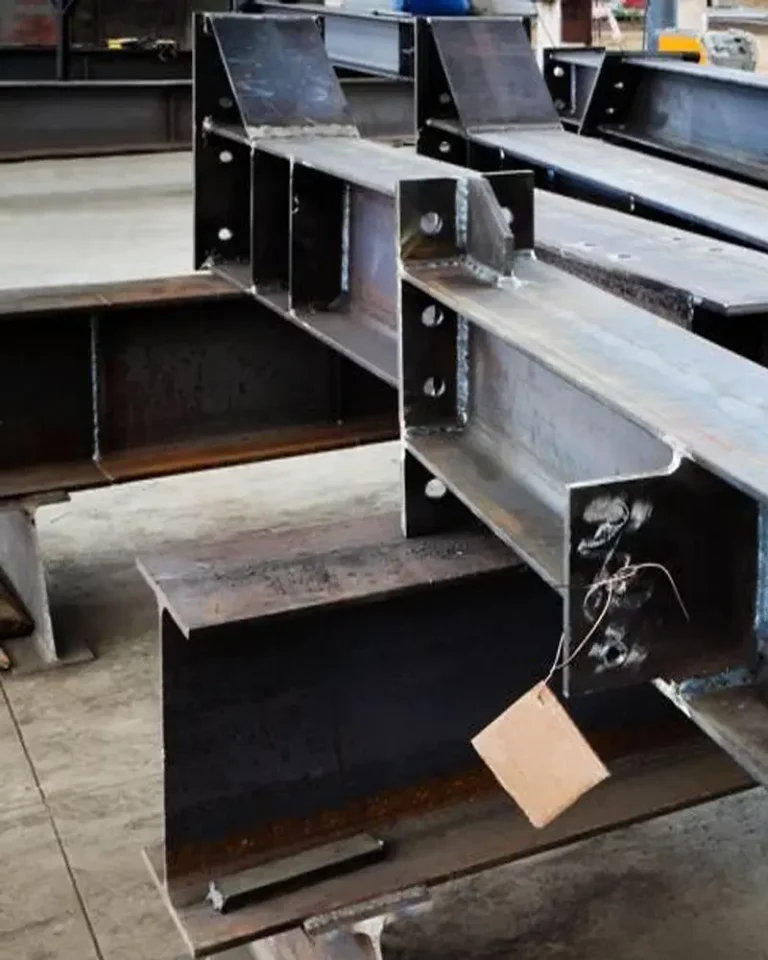
When we turn on a tap, power up a server, or heat a hospital ward, we rarely think about the complex network of arteries making it all possible. Behind the walls and beneath the ground, intricate piping systems silently sustain our most vital facilities. When these systems function perfectly, they go entirely unnoticed by the general public. However, when they fail, the consequences can be immediate, disruptive, and sometimes dangerous.
Managing these environments can understandably be a source of significant anxiety for facility managers and mechanical engineers. The pressure to keep operations running without interruption is immense. This guide is designed to provide clear, factual reassurance about how these vital networks operate. We will explore the fundamental principles of Critical Infrastructure Maintenance, the specific demands of high-pressure environments, and why relying on specialised fabrication and repair services is the best way to safeguard your facilities.
For those overseeing complex industrial sites, partnering with experts like Weld-Qual Services provides the necessary technical support to keep everything running smoothly and safely.
The Backbone of Vital Facilities: Pipework for Critical Systems
Critical infrastructure encompasses the assets, systems, and networks that are considered essential for the functioning of a society. This includes hospitals, power generation plants, water treatment facilities, and large-scale data centres. Within these environments, pipework acts as the primary delivery mechanism for essential resources like water, gases, coolants, and steam.
Providing reliable Pipework for Critical Systems requires an exacting approach to engineering. Unlike standard commercial plumbing, these networks must withstand extreme temperatures, continuous heavy usage, and corrosive materials. For instance, in a data centre, the cooling pipework must operate flawlessly to prevent catastrophic overheating of sensitive IT equipment. In a healthcare setting, medical gas pipelines must deliver oxygen to patients without a single microscopic contaminant or a sudden pressure drop.
Understanding the specific environmental demands of your sector is the first step in ensuring long-term operational stability. By treating your pipework as a foundational asset rather than an afterthought, you can dramatically reduce the likelihood of unexpected systemic failures. Detailed custom pipework fabrication ensures that your facility is equipped with materials tailored to your precise operational parameters.
Prioritising Safety in Critical Infrastructure Maintenance
The primary goal of Critical Infrastructure Maintenance is to prevent faults well before they occur. A reactive approach simply is not viable when human safety and large-scale operational continuity are at stake. A sudden rupture or leak can lead to severe environmental damage, profound financial loss, and severe safety hazards for personnel on site.
Routine and proactive maintenance involves rigorous visual inspections and advanced non-destructive testing techniques. Methods such as ultrasonic testing, dye penetrant inspection, or magnetic particle inspection allow engineers to identify microscopic structural weaknesses. These might include hairline cracks or internal corrosion that are completely invisible to the naked eye. By catching these issues early, you prevent them from compromising the integrity of the pipe.
This meticulous level of observation brings immense peace of mind. Knowing that your infrastructure is regularly assessed by qualified professionals removes the burden of uncertainty. It allows facility managers to shift their focus from worrying about potential disasters to optimising their daily operations. To read more about how comprehensive testing integrates into routine checks, you can explore our full range of services.
Managing the Demands of High-Pressure Pipework Systems
Certain industrial environments require the transportation of fluids or gases under immense force. High-Pressure Pipework Systems are common in power generation, chemical processing, and large-scale manufacturing. These networks endure tremendous mechanical stress every single day of the year.
Designing, installing, and maintaining high-pressure pipework requires specialised metallurgical knowledge. The materials used are often heavy-duty carbon steel or specific austenitic stainless steels. These must be carefully selected to match the exact pressure and temperature ratings of the facility. Furthermore, the welding processes used to join these pipes must be utterly flawless. Even the slightest imperfection in a weld can become a critical point of failure when subjected to high pressure.
If you manage a facility that utilises high-pressure systems, you must ensure that any fabrication or welding is performed by technicians holding relevant certifications. Adhering to strict European standards, such as BS EN ISO 9606, ensures that every joint, valve, and bracket is capable of safely bearing the loads required by your operations. Experienced teams understand how to calculate flow rates, account for thermal expansion, and select the appropriate welding methods for each specific material.
Navigating the Complexities of Pipework Repairs
Despite the most rigorous maintenance schedules, unexpected issues can still arise. These might be due to extreme weather events, unforeseen mechanical impacts, or subtle material fatigue that accelerates faster than anticipated. When a fault is detected, the speed and accuracy of the response are paramount.
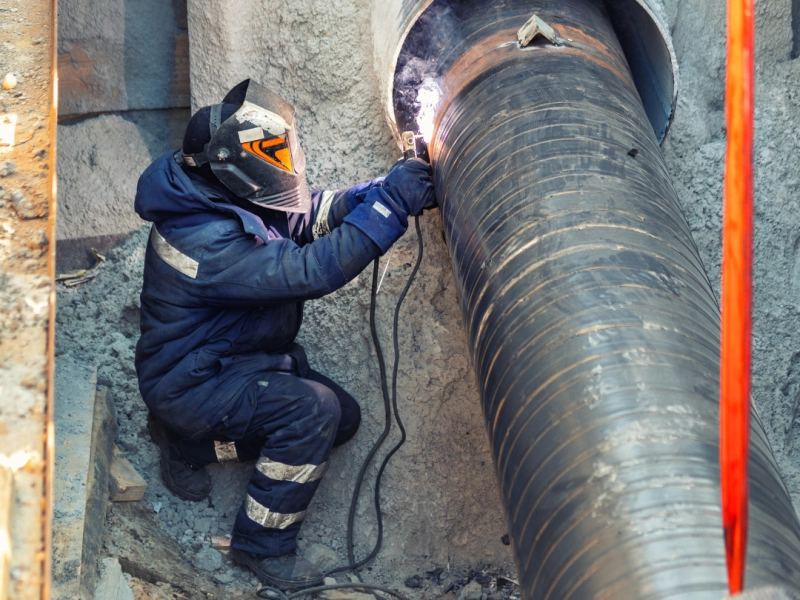
Attempting temporary fixes or relying on uncertified contractors for Pipework Repairs can exacerbate the problem. Poorly executed repairs often lead to secondary failures that are far more difficult and costly to rectify. Specialist repair teams approach a breach with clinical precision. They will first secure the area, safely isolate the compromised section of the network, and perform a thorough diagnostic assessment to understand the root cause of the failure.
Whether the solution requires a targeted weld repair, the replacement of a faulty valve, or the fabrication of an entirely new pipe section, professional intervention ensures the system is restored to its original safety specifications. Rapid access to skilled mobile welding services and emergency repair teams is a vital component of any robust infrastructure contingency plan. Having a team available 24 hours a day means that a minor leak does not have to escalate into a catastrophic shutdown.
The Necessity of Specialist Pipework Engineering Services
Off-the-shelf solutions are rarely sufficient for complex industrial environments. The unique spatial constraints, chemical exposures, and pressure requirements of your facility demand a highly tailored approach. This is where dedicated Pipework Engineering Services prove their true value.
Specialist engineering providers do more than simply weld metal together. They offer comprehensive project management, starting from the initial computer-aided design and material selection all the way through to on-site installation and rigorous post-installation testing. They hold the necessary qualifications to navigate complex regulatory landscapes, ensuring your facility remains fully compliant with all national health and safety standards.
Partnering with an expert fabrication company means you benefit from a library of established welding procedures and deep technical expertise. It provides a level of reassurance that simply cannot be achieved through generalist contractors. By investing in specialised engineering services, you are not just buying metalwork. You are investing in the long-term resilience, safety, and reliability of your entire operation. Taking the time to understand why to choose a qualified partner can save your business from significant regulatory and operational headaches down the line.
Core Elements of a Proactive Maintenance Strategy
To truly protect your critical infrastructure, facility managers should implement a structured and proactive maintenance strategy. This involves several key steps that go beyond basic visual checks.
Firstly, establishing a baseline of your system’s health is crucial. When a new system is installed, or when you take over a new facility, comprehensive non-destructive testing should be conducted to map the current state of the pipework. This provides a clear point of reference for all future inspections.
Secondly, creating a strict schedule for regular assessments prevents issues from slipping under the radar. High-Pressure Pipework Systems should be inspected more frequently than low-pressure water systems, as the risk and potential impact of a failure are significantly higher.
Thirdly, maintaining an open line of communication with a trusted fabrication and welding company ensures you are never caught off guard. Having a pre-existing relationship with a team that already understands the layout and specific challenges of your site means that any necessary Pipework Repairs can be executed with maximum efficiency.
Securing Your Infrastructure for the Future
Maintaining the hidden networks that power our most important facilities is a heavy responsibility, but it is not one you have to carry alone. By understanding the critical role your pipework plays and committing to proactive, expert-led maintenance, you can protect your assets against unexpected failures.
Take the time to review your current maintenance schedules. If you are unsure about the integrity of your high-pressure systems or the compliance of your existing pipework, seeking a comprehensive professional assessment is the safest next step. Engaging with qualified pipework engineering professionals will provide the clarity, factual guidance, and technical precision required to keep your critical infrastructure operating safely and efficiently for years to come.
Whether you need a complete system overhaul, routine snagging, or emergency repairs, relying on certified experts ensures that the backbone of your facility remains strong, compliant, and ready to meet the demands of the future.
You can reach our friendly team by visiting our contact page, calling us on 0121 505 1736, or emailing admin@weld-qual-services.co.uk.