Behind every data centre humming away around the clock sits a network of pipes doing quiet, essential work. These systems carry the chilled water and coolant that keep servers within safe operating temperatures, and their reliability is directly linked to how well the pipework was designed, welded and tested in the first place. Quality pipework fabrication is not a background detail. It is one of the factors that decides whether a facility runs smoothly or faces costly downtime. If you are planning a mechanical services scope for a new or expanding facility, our team is happy to talk through your requirements.
In this article we look at why pipework matters so much in data centres, how fabrication quality affects uptime, and what to consider when it comes to materials, welding and testing. We also explain how specialist support helps you protect long-term performance in these demanding, mission-critical environments.
Why Pipework Matters in Data Centres
Data centres generate enormous amounts of heat. Racks of servers running continuously produce a thermal load that must be removed constantly, because even a short lapse in cooling can push equipment past safe limits. Pipework is what moves that heat away. Chilled water pipework transports cooled water from central plant to the areas that need it, while return lines carry warmer water back to be cooled again.
This makes the cooling infrastructure one of the most safety-critical systems in the building. Alongside cooling, pipework also supports water management functions such as condensate drainage and top-up systems. Each of these relies on durable, well-fabricated pipework that will not leak, corrode or fail under pressure. When the pipe network performs as intended, the wider facility stays stable. When it does not, the consequences reach far beyond a single component.
Cooling Systems and Reliability
The link between cooling and reliability is straightforward. If chilled water cannot flow reliably to where it is needed, temperatures rise and equipment is at risk. That is why operators place so much emphasis on redundancy, designing systems so that if one path fails, another can take over. Pipework plays a central role here, because redundant loops, isolation points and maintenance access all depend on how the system is fabricated and installed.
Reliability is also about consistency over time. A well-made pipe network holds pressure, resists corrosion and continues to perform through years of continuous operation. As facilities grow and adopt higher-density racks and, in some cases, liquid cooling closer to the hardware, the demands on pipework only increase. Systems that were built with quality fit-up and high-integrity welds are far better placed to cope with these rising thermal loads.
Why Fabrication Quality Affects Uptime
Uptime is the measure that matters most to any data centre operator, and pipework fabrication feeds directly into it. A weld that is poorly executed can become a slow leak or a sudden failure, and either can force part of the cooling system offline. In a live facility, that is not a minor inconvenience. It can threaten the equipment the whole site exists to protect.
Good fabrication reduces this risk in several ways. Accurate fit-up means joints align correctly, which lowers stress on the finished weld. High-integrity welds resist cracking and porosity, the small internal flaws that can grow into leaks over time. Careful planning also builds in maintenance access, so isolation valves and connections can be reached without disrupting the rest of the system. Every one of these details supports leak prevention and, ultimately, continuous operation.
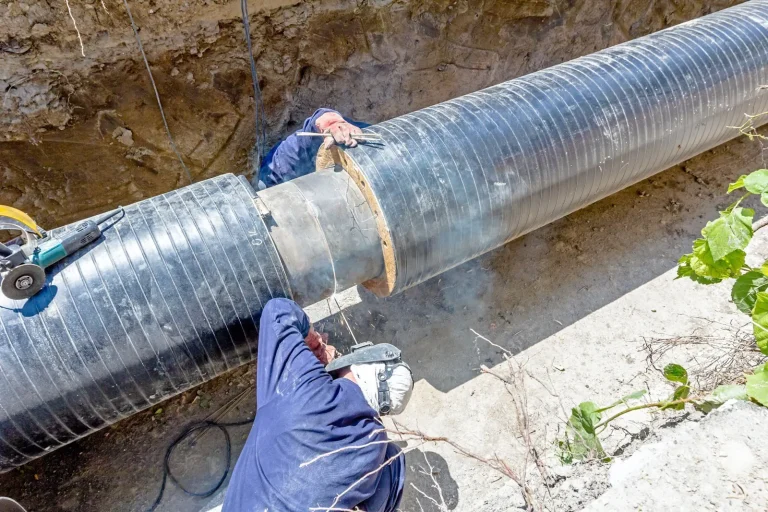
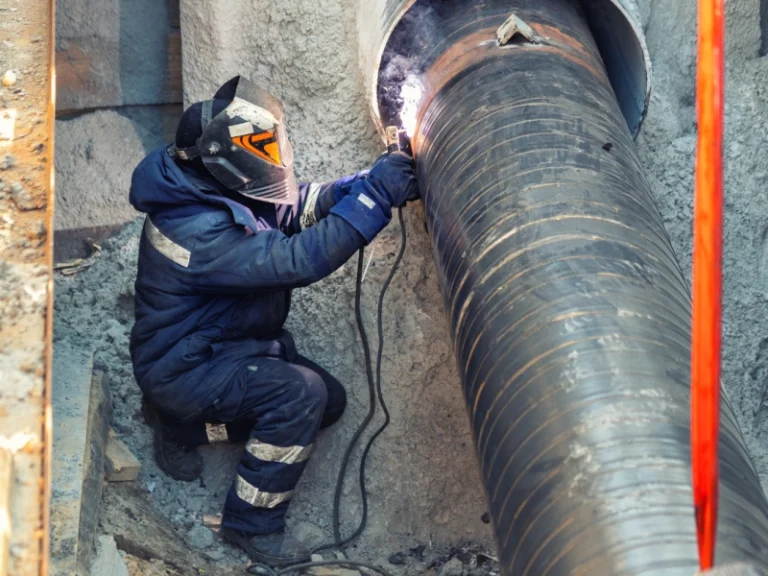
There is a common assumption that welding carried out on site is somehow lower quality than workshop work. When it is performed by properly qualified engineers following approved procedures, that simply is not the case. The standards applied are the same, and the results are verified through testing.
Material and Welding Considerations
Choosing the right material is an important early decision. Different systems within a data centre call for different solutions, and the choice affects corrosion resistance, strength and service life.
- Stainless steel pipework offers strong corrosion resistance and is well suited to clean, long-life applications and hygienic or specialist systems.
- Carbon steel pipework is widely used for chilled water and general mechanical services where cost-effective strength is the priority.
- Process pipework in supporting plant areas may have its own material and cleanliness requirements depending on the system.
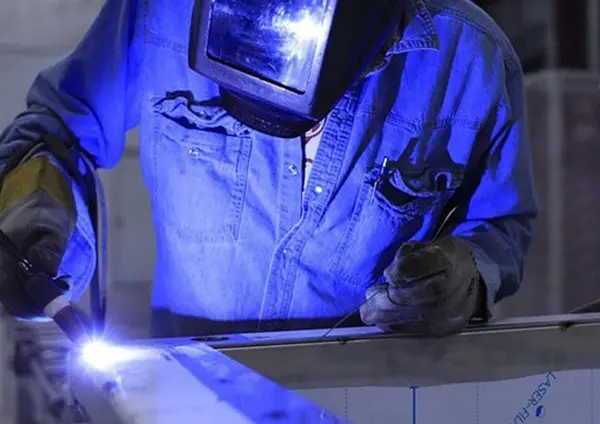
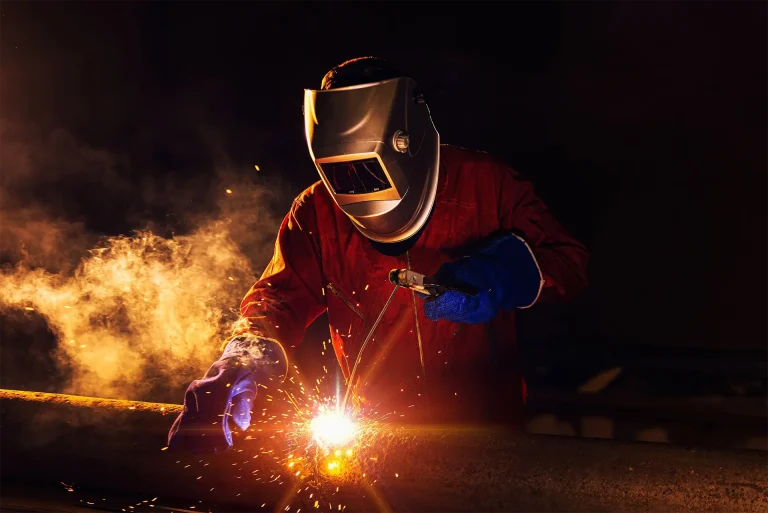
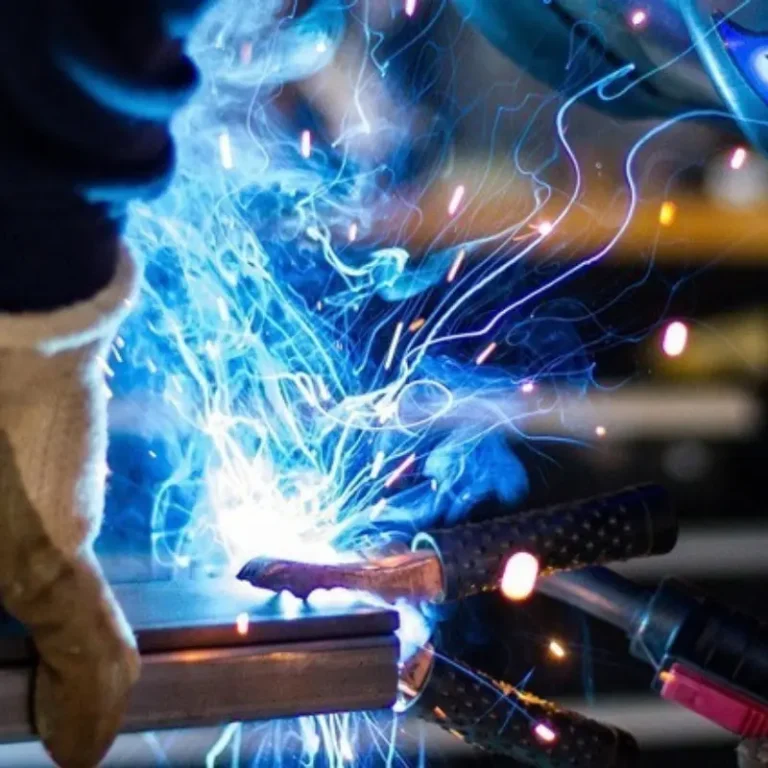
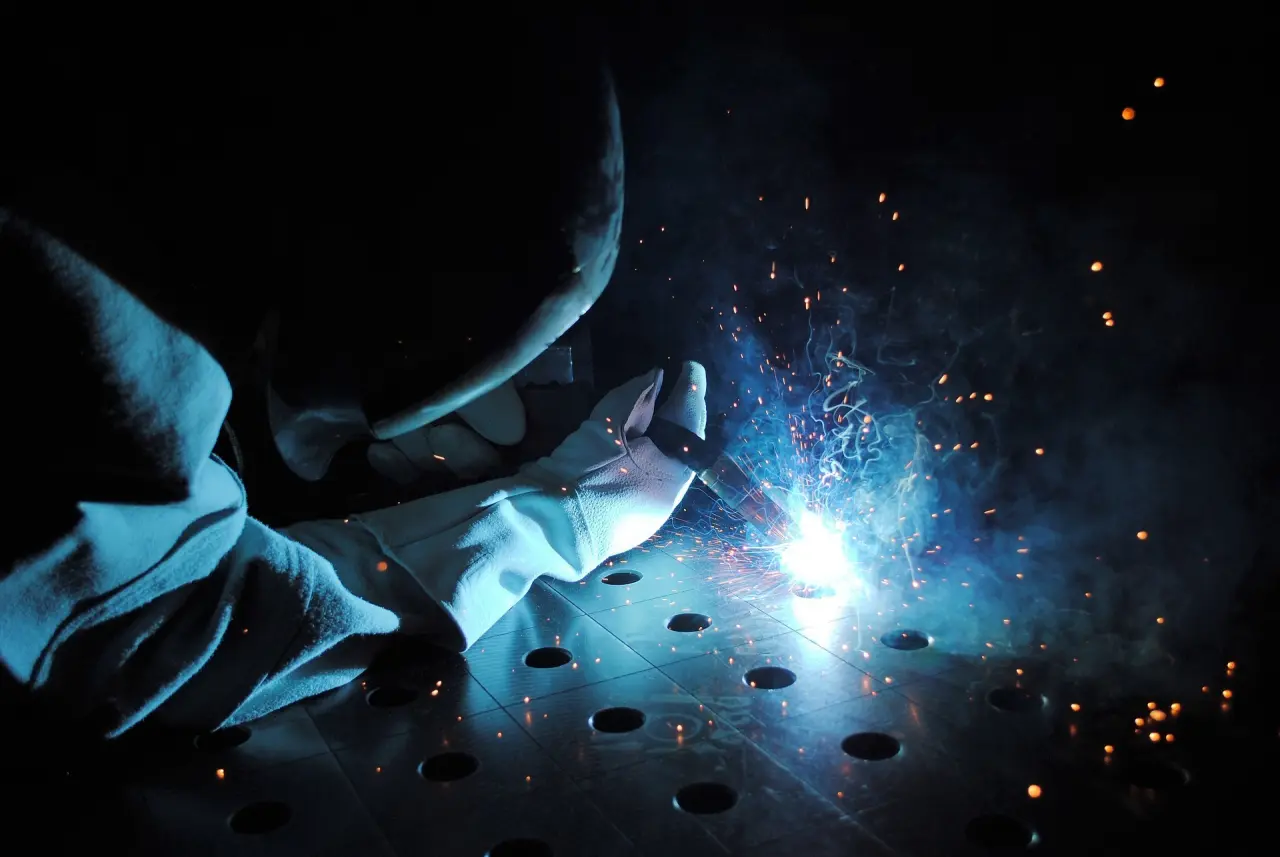
The welding process is chosen to suit the material and the application. TIG welding produces clean, precise welds ideal for stainless steel and high-specification joints. MMA and FCAW processes offer robust, efficient welds for heavier work and site conditions. At Weld-Qual Services, we hold procedures covering carbon steel and austenitic stainless steels across TIG, MMA and FCAW processes, so the right method can be matched to each part of the system.
Underpinning all of this is a disciplined approach to procedures. Our qualified welding procedures are held to BS EN ISO 15614, with welder qualifications to BS EN ISO 9606. Where a project falls outside our existing coverage, we qualify accordingly using a UKAS accredited inspection body before any welding begins. This keeps quality consistent, even on unusual or demanding scopes.
Installation and Testing
Fabrication does not end when the last weld is complete. Installation quality and verification are just as important, because they confirm the system will perform once it is in service.
Pressure testing checks that the pipework can hold its working pressure without loss, giving early confidence in the integrity of the network. Beyond that, non-destructive testing examines the welds themselves without damaging them. We have access to certified NDT technicians and can arrange a full range of methods, including:
- Radiographic inspection, which reveals internal features such as porosity or lack of fusion
- Ultrasonic inspection, useful for detecting sub-surface defects
- Dye penetrant testing, which highlights surface-breaking flaws
- Magnetic particle inspection, for surface and near-surface defects in suitable materials
- Visual inspection of welds against recognised standards
This combination of pressure testing and NDT gives facility managers documented evidence that the installation meets specification. For structural elements associated with the works, we can also support compliance with BS EN 1090 and the National Structural Steelwork Specification where relevant. Discover how we can help by bringing this testing capability to your project from the outset rather than as an afterthought.
Lifecycle Performance and Maintenance
A data centre is a long-term asset, and its pipework should be too. Well-fabricated systems continue to perform for years, but they also need to be maintainable. Thoughtful design and installation make routine maintenance, upgrades and future expansion far easier to carry out.
This matters because facilities rarely stay still. Capacity is added, cooling strategies evolve, and connections need to be made to existing live systems. Pipework that was installed with accessible joints, sensible routing and quality welds is much simpler to modify without risking the rest of the network. Planning for maintenance access and future tie-ins during fabrication protects both uptime and the value of the investment over its whole lifecycle.
When issues do arise, a fast response is essential. Weld-Qual Services operates a 24/7 emergency call-out service, covering everything from complete fabrication to the repair of damaged pipework. Our fully serviced generators supply both electrical and welding power, so our engineers can mobilise and work on site without relying on your infrastructure. In a mission-critical environment, that self-sufficiency helps keep disruption to a minimum.
Why Specialist Support Matters
Data centre pipework sits at the intersection of high standards, tight programmes and zero tolerance for failure. Working with a specialist gives you the confidence that the people carrying out the work are properly qualified and that the results are verified.
At Weld-Qual Services, our engineers hold at least the minimum NVQ levels and City & Guilds qualifications for their trade, along with up to date CSCS cards, IPAF+ and abrasive wheels certifications. As a business, we are Constructionline Gold Member, SafeContractor Approved, CSCS registered, City & Guilds qualified and IPAF certified. We provide nationwide pipework welding and fabrication, supporting mechanical services infrastructure for new construction, modifications and repairs alike. You can read more about our approach and background on our about page.
We understand that clients want seamless solutions, not project complications. That principle guides how we plan, weld, install and test, so your cooling infrastructure is built to last and easy to maintain. To see the wider range of disciplines we bring to the construction and steel fabrication sector, take a look at what we do.
Speak to Weld-Qual Services
Reliable data centres depend on reliable pipework, and that starts with quality fabrication, sound welding and thorough testing. Whether you are planning a new facility, expanding cooling capacity or dealing with an urgent repair, expert support helps protect your uptime and long-term performance. You can reach our friendly team by visiting our contact page, calling us on 0121 505 1736, or emailing admin@weld-qual-services.co.uk.
Frequently Asked Questions
Pipework carries the chilled water and coolant that remove heat from servers. Because cooling is safety-critical, the reliability of the pipe network has a direct impact on equipment safety and overall uptime.
Not when it is carried out by qualified engineers following approved procedures. The same standards apply on site as in the workshop, and welds are verified through pressure testing and non-destructive testing.
Carbon steel is common for chilled water and general mechanical services, while stainless steel suits clean, long-life and specialist applications. The right choice depends on the system, its pressures and its corrosion requirements.
We use a combination of pressure testing and non-destructive testing, including radiographic, ultrasonic, dye penetrant and magnetic particle inspection, alongside visual inspection of welds against recognised standards.
Yes. We run a 24/7 emergency call-out service and carry our own generators, so our team can mobilise and begin work on site promptly to limit disruption.