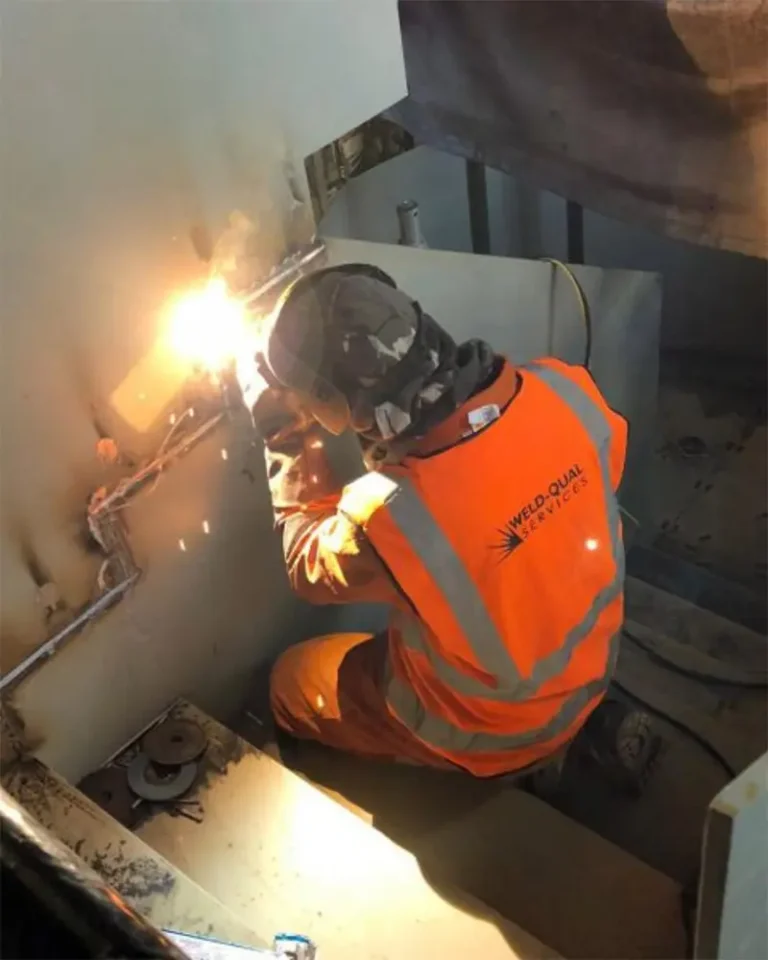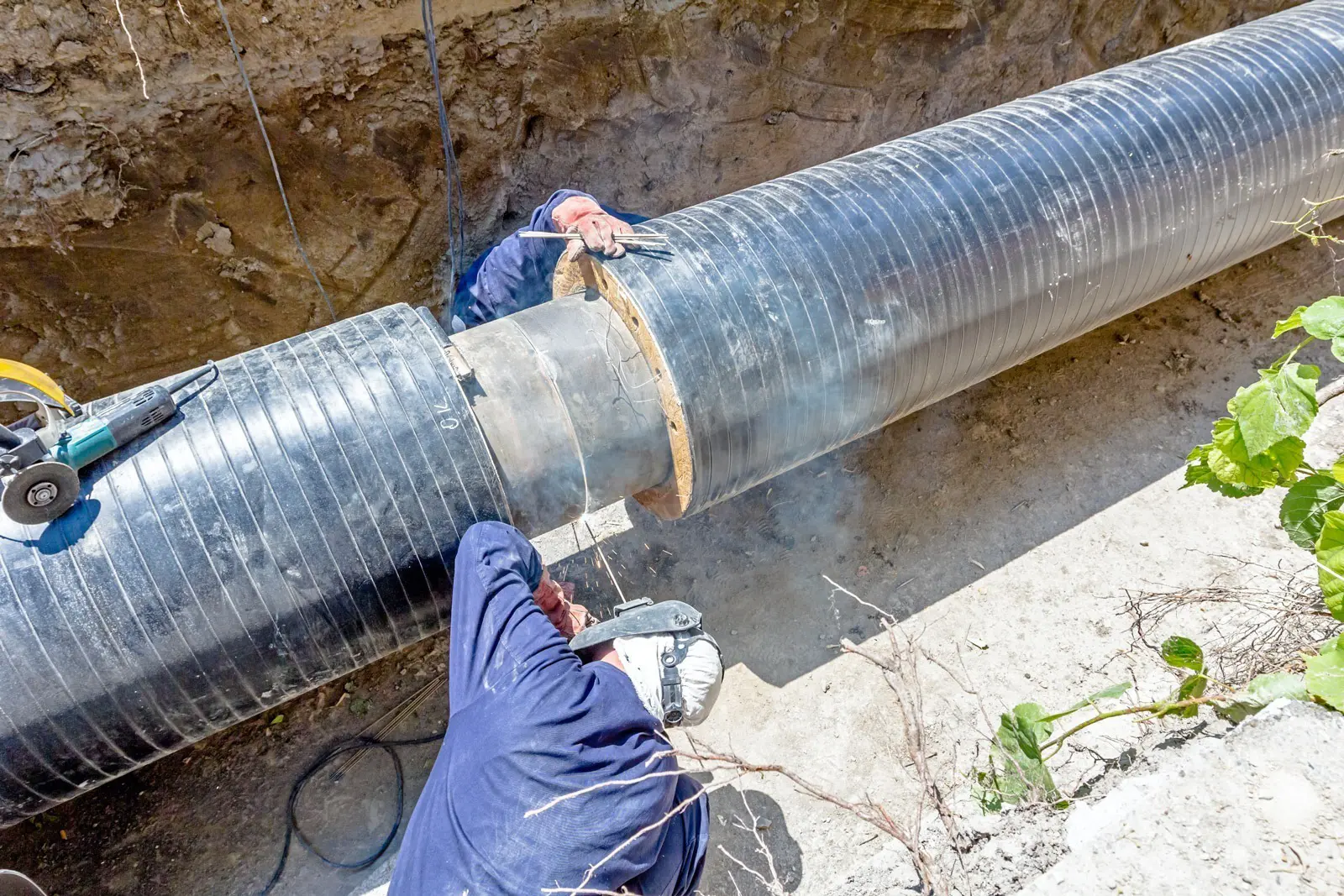
Every plant, factory and processing facility relies on a network of pipes to move liquids, gases and materials safely from one point to another. Pipe fabrication is the process that turns raw pipe and components into those working systems, cutting, shaping, welding and testing each section so it performs under pressure and stands the test of time. At Weld-Qual Services, we deliver pipework welding services across the UK, both from our own facilities and through a nationwide mobile team, so operators get compliant, reliable systems wherever they are needed.
This guide explains what pipe fabrication involves, where it is used, and why the quality of the work matters so much for performance, safety and compliance. If you have a project in mind and want to talk it through, you can get in touch with our friendly team, call us on 0121 505 1736, or email admin@weld-qual-services.co.uk.
What is Pipe Fabrication?
Pipe fabrication is the manufacture and assembly of pipes and piping components into a finished system tailored to a specific project. Rather than simply joining lengths of pipe, it covers measurement, cutting, edge preparation, welding, assembly and testing, all brought together to meet a defined specification.
In an industrial setting, fabricated pipe systems carry a huge range of substances, from water and steam through to hazardous chemicals and process gases. The material, wall thickness and joint design all change depending on what the pipe carries and the pressures it faces.
The goal is straightforward. A well-fabricated pipe system moves its contents safely, resists wear and pressure, and keeps operating without leaks or failures. Getting there takes technical knowledge, the right qualifications and careful inspection at every stage.
The Key Stages in the Pipe Fabrication Process
Good pipework fabrication follows a logical sequence. Each stage builds on the last, and precision early on prevents expensive problems later.
Stage 1: Design and Planning
Every project starts with a clear plan. Engineers confirm pipe dimensions, materials, routing and pressure requirements, then agree the welding procedures needed to meet the specification. This is where compliance is designed in from the outset.
Stage 2: Cutting and Preparation
Raw pipe is cut to size and prepared for joining. Edge work, or pipe bevelling, creates the exact joint profile required for deep-penetration, code-compliant welds. Accuracy here matters because a poor fit-up is one of the most common causes of weld defects.
Stage 3: Welding and Assembly
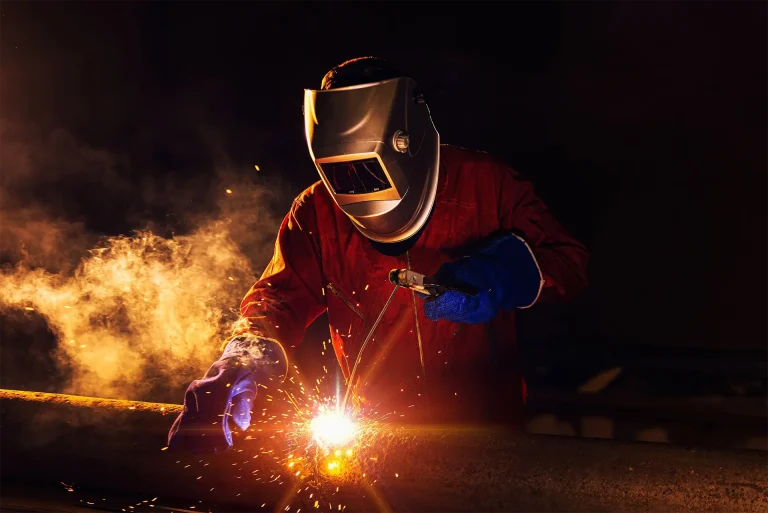
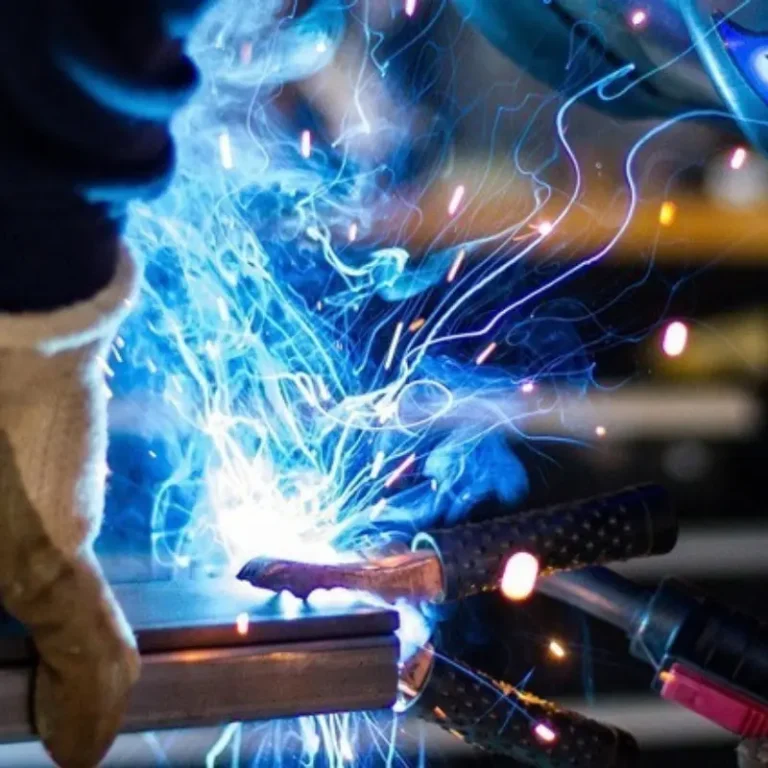
Prepared sections are welded together to form a continuous system. Coded welders select the right process for the material and application, whether that is ultra-clean TIG welding on stainless steel or robust MMA welding for heavier work. This stage demands both skill and qualified procedures.
Stage 4: Testing and Inspection
Once assembled, the system is inspected to confirm it meets the required standards. Non-destructive testing checks welds for hidden flaws, while visual inspection confirms surface quality. Only work that passes these checks is signed off as fit for service.
Here is a simple view of how the stages connect and what each one delivers.
| Stage | Main activity | What it delivers |
| Design and planning | Specify materials, dimensions and procedures | A compliant, buildable plan |
| Cutting and preparation | Cut to size and bevel edges | Accurate joints ready for welding |
| Welding and assembly | Join sections with the right process | A continuous, high-strength system |
| Testing and inspection | Verify weld integrity | Assurance the system is fit for service |
Common Materials and Welding Processes
The material chosen for a pipe system depends on what it carries and the conditions it faces. The two most common in industrial pipework are carbon steel, valued for strength and cost, and austenitic stainless steels, chosen for corrosion resistance and hygiene. Specialist alloys are used where extreme temperatures, pressures or aggressive media are involved.
Matching the welding process to the material is just as important. Our coded welders work across the main processes used in pipework fabrication:
- TIG welding for high-precision, clean joints on stainless steel and hygienic piping systems
- MMA welding for heavy-duty work, modifications and rapid site repairs
- FCAW (flux cored) welding for strong, deep-penetration welds on larger sections
Because each process suits different jobs, an experienced fabricator selects the right one for the task rather than forcing a single method across every application. That judgement is what separates a durable weld from one likely to fail.
Where Pipe Fabrication is Used
Fabricated pipework sits at the heart of many industries, often out of sight but essential to daily operations. Wherever a fluid or gas needs to be moved safely and reliably, pipe fabrication has a role.
Common sectors include:
- Process plant and manufacturing
- Chemical processing
- Gas and steam systems
- Food processing, including stainless steel hygienic piping systems
In the food and chemical sectors, cleanliness and corrosion resistance are critical, which is why stainless steel and precise TIG welding are so often specified. In gas and steam applications, the focus shifts to strength and pressure integrity, where qualified welder procedures become non-negotiable.
The common thread across all of these is trust. Operators need to know the system will perform exactly as intended, day after day.
Why Quality Pipe Fabrication Matters
Quality is not a finishing touch in pipe fabrication. It is built in from design through to the final inspection, and it protects three things above all: performance, safety and compliance.
Poorly fabricated pipework can leak, corrode prematurely or fail under pressure. In a high-pressure or hazardous environment, that can mean spills, downtime or serious safety incidents. Quality fabrication reduces that risk because every joint is made to a proven procedure and verified before it goes into service.
There is a commercial benefit too. Well-fabricated systems handle wear and pressure better, so they last longer and need fewer repairs. That means less unplanned downtime and lower lifetime costs, which is exactly what any operator wants from a critical asset. If reliability is a priority on your next project, it is worth speaking to a specialist early. You can reach our team on 0121 505 1736 to discuss your requirements.
Common Problems Caused by Poor Fabrication
Most pipework failures trace back to avoidable mistakes made during fabrication. Recognising them helps you understand why qualified specialists matter.
- Weld defects such as porosity or lack of fusion, often caused by poor preparation
- Leaks at joints from inaccurate fit-up or rushed welding
- Premature corrosion when the wrong material or process is used
- Failed inspections that lead to rework, delays and added cost
- Non-compliance with the required standards, risking rejection or safety issues
Each of these creates cost and disruption. As a result, prevention through skilled fabrication and thorough testing is almost always cheaper than fixing problems after installation.
What to Look For in a Pipe Fabrication Partner
Choosing the right fabricator protects your project, your budget and your reputation. Not all providers offer the same level of assurance, so it pays to check a few key things before you commit.
Look for the following:
- Qualified procedures and welders, with welding procedures to BS EN ISO 15614 and welder qualifications to BS EN ISO 9606
- A broad WPQR library, plus the ability to qualify new procedures through a UKAS accredited Inspection Body where coverage is not already held
- Access to certified NDT technicians for radiographic, ultrasonic, dye penetrant and magnetic particle testing
- On-site and workshop capability, so both planned and reactive work can be covered
- Recognised accreditations such as CSCS, IPAF, SafeContractor Approved and Constructionline Gold Member
At Weld-Qual Services, our team carries at least the minimum NVQ levels and City and Guilds qualifications for their trade, and our work is subjected to rigorous non-destructive testing to confirm it meets the required standards. We also operate a 24/7, 365-day emergency call-out line for urgent issues such as burst pipes, alongside complete fabrication, modifications, maintenance and minor repairs. You can read more about our approach and track record on our why choose us page, or explore the full range of services on our website.
Ready to Discuss Your Pipe Fabrication Project?
Quality pipe fabrication comes down to the right expertise, qualified procedures and thorough testing. Whether you need a complete fabricated pipe system, planned modifications or an emergency repair, working with experienced pipework specialists reduces risk, downtime and costly rework.
To talk through your requirements, contact our friendly team, call us on 0121 505 1736, or email admin@weld-qual-services.co.uk.
Frequently Asked Questions
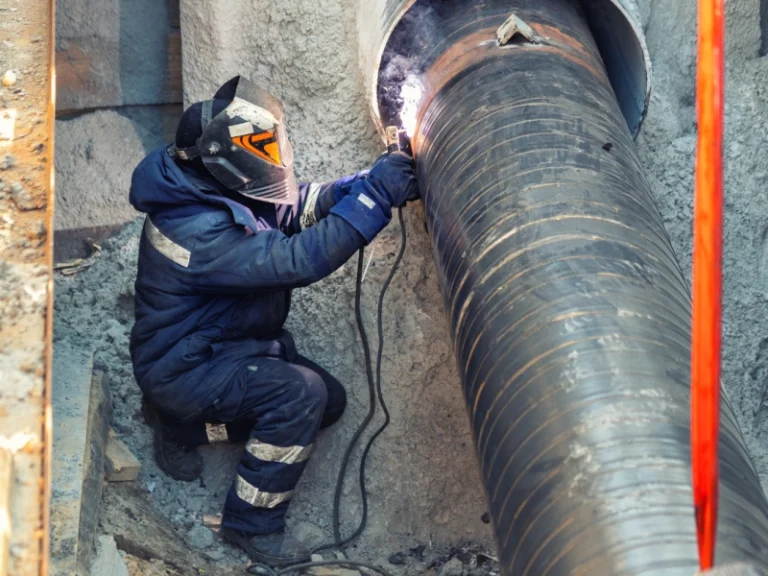
Yes. While a great deal of fabrication happens in a workshop, much of it can be completed on site using a mobile welding service. We bring qualified welders and equipment directly to your location, which is ideal for installations, modifications and urgent repairs where components cannot easily be moved.
Pipework fabrication supports a wide range of sectors, including process plant, chemical, gas, steam and food processing. Each has different demands, from hygienic stainless steel systems in food production to high-pressure carbon steel lines in heavier industry, so the materials and processes are matched to the application.
Weld quality is confirmed through inspection and testing. This includes visual inspection of welds alongside non-destructive testing methods such as radiographic inspection, ultrasonic inspection, dye penetrant testing and magnetic particle inspection. These checks confirm each weld is sound before the system enters service.
The more detail you can share, the more accurate the quote. Helpful information includes the pipe material, sizes, quantities, the substance being carried, any relevant standards, and whether the work is on site or in the workshop. If you are not sure, our team can guide you through what is needed.